
 EN
EN
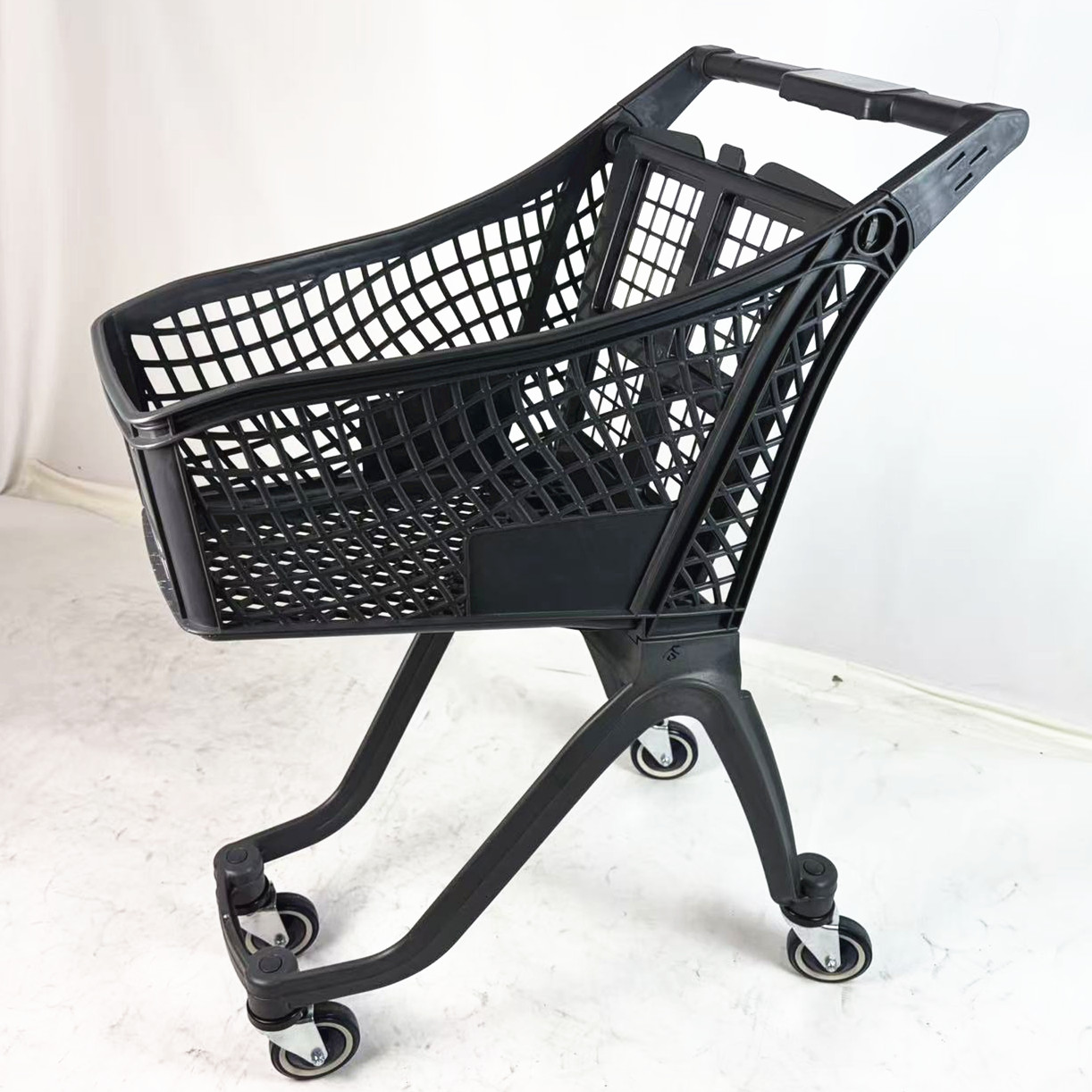
A plastic shopping cart represents one of the most practical investments a retail or commercial operation can make for sustainable, long-term cost efficiency. Unlike traditional metal carts that corrode, require constant maintenance, and eventually need replacement, a quality plastic shopping cart combines durability with minimal upkeep, delivering measurable financial benefits year after year. Understanding how a plastic shopping cart supports your bottom line requires examining the full lifecycle of ownership, from initial acquisition through decades of daily use.
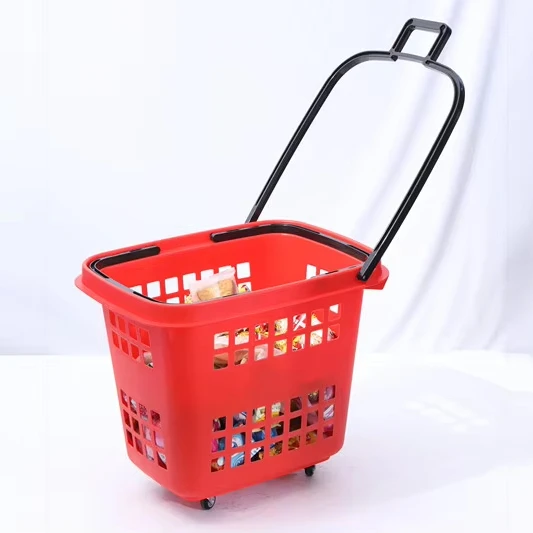
The financial case for a plastic shopping cart extends far beyond the initial purchase price. When you evaluate the total cost of ownership over ten, fifteen, or even twenty years of operation, the advantages become unmistakable. A plastic shopping cart eliminates rust, reduces labor for repairs, requires no painting or refinishing, and maintains its structural integrity through thousands of customer interactions. This article explores the core mechanisms by which a plastic shopping cart achieves superior long-term cost efficiency compared to alternative solutions.
Durability and Reduced Replacement Cycles
Material Resilience in Daily Operations
The durability of a plastic shopping cart directly impacts how long it remains in active service before requiring replacement. High-density polyethylene and reinforced plastic compounds resist environmental degradation, UV exposure, and the mechanical stress of daily customer handling. Traditional metal carts rust within months in humid or coastal environments, leading to structural weakness and safety concerns. A plastic shopping cart maintains its integrity across all climates and weather conditions without surface deterioration, meaning your initial investment continues performing reliably for extended periods.
The structural engineering of a modern plastic shopping cart allows it to withstand impact, pressure, and repetitive stress without cracking or permanent deformation. Reinforced wheel assemblies and stress-tested joints ensure that a plastic shopping cart can handle the cumulative demands of thousands of transactions without failure. When you factor in that a typical retail location processes hundreds or thousands of cart interactions daily, the reliability of a plastic shopping cart translates into fewer unexpected downtime events and emergency replacement expenses.
Maintenance Reduction and Labor Savings
Maintenance demands drive substantial hidden costs in retail operations. A plastic shopping cart eliminates the labor-intensive tasks associated with metal carts, including rust removal, repainting, bolt tightening, and corrosion prevention treatments. Staff time spent maintaining a plastic shopping cart is minimal compared to the weekly or monthly interventions required by traditional metal systems. This reduced maintenance burden frees your team to focus on customer service and operational priorities rather than cart upkeep.
The wheel systems on a plastic shopping cart require only occasional cleaning and lubrication, with no rust or metal-on-metal corrosion to monitor. Handles and baskets on a plastic shopping cart never need repainting, refinishing, or protective coatings because the plastic material resists staining, fading, and surface degradation. Over a decade of operation, the cumulative labor savings from owning a plastic shopping cart can represent thousands of dollars in staff hours that would otherwise go toward maintenance tasks.
Operational Efficiency and Customer Experience
Weight and Maneuverability Benefits
A plastic shopping cart weighs substantially less than comparable metal models while maintaining equivalent load capacity. This weight advantage improves maneuverability, reduces customer fatigue, and enhances the shopping experience, which indirectly supports your business efficiency. Lighter weight also means reduced wear on wheel assemblies and structural joints, extending the operational lifespan of each plastic shopping cart in your fleet. When customers find a plastic shopping cart easier to handle and more responsive to steering, they engage in longer shopping trips and report higher satisfaction levels.
From a logistics perspective, a plastic shopping cart is simpler to transport, stack, and organize within your facility. Training new staff to handle and maintain a plastic shopping cart requires less instruction than traditional models. The ergonomic design of modern plastic shopping cart systems supports faster customer flow, reducing congestion and improving the efficiency of your sales floor layout.
Hygienic and Food-Safe Properties
Retailers operating in food, pharmaceutical, or health-conscious sectors benefit significantly from a plastic shopping cart because plastic surfaces resist bacterial growth and are far easier to sanitize than metal. A plastic shopping cart can be quickly cleaned with standard disinfectants without risk of chemical damage or corrosion. This hygienic advantage has become increasingly important in post-pandemic retail environments where customers actively assess cleanliness standards. A plastic shopping cart that visibly demonstrates superior sanitary properties supports customer confidence and loyalty.
Financial Analysis and Return on Investment
Total Cost of Ownership Calculation
Evaluating a plastic shopping cart through the lens of total cost of ownership requires comparing initial purchase price plus ongoing maintenance, repairs, and eventual replacement against the lifespan and performance of alternative systems. A plastic shopping cart typically costs fifteen to twenty-five percent more upfront than basic metal models, but this premium is recovered within three to five years through eliminated maintenance expenses. By year seven or ten, your plastic shopping cart continues operating at full capacity while replacement metal units have already been retired, creating substantial cumulative savings.
The financial timeline for a plastic shopping cart break-even point depends on your facility's cart utilization rate, climate conditions, and current maintenance budgets. High-traffic retail environments experience faster payback because the efficiency gains and labor reductions multiply across thousands of daily customer interactions. A plastic shopping cart deployed in a busy grocery or big-box retail location typically achieves full ROI within eighteen to thirty-six months, after which it represents pure operational savings and efficiency gain.
Scalability and Fleet Economics
Operating a fleet of carts amplifies the economic advantages of a plastic shopping cart investment. Organizations managing fifty, one hundred, or several hundred carts experience exponential labor savings because maintenance time scales linearly with fleet size. A plastic shopping cart fleet eliminates the need for specialized maintenance staff or ongoing contracts with cart service providers. Your team can focus on basic hygiene and occasional repairs rather than structural overhauls and replacement cycles.
Large retail chains and hospitality operations particularly benefit from the scalability economics of a plastic shopping cart system. Standardizing on a single plastic shopping cart model across multiple locations simplifies inventory management, staff training, and spare parts procurement. This standardization creates network effects that drive down per-unit operational costs as your organization grows.
FAQ
How long does a plastic shopping cart typically last compared to metal alternatives?
A high-quality plastic shopping cart typically lasts between ten and twenty years in active daily use, while standard metal carts often require replacement within five to eight years due to rust and structural fatigue. The actual lifespan of a plastic shopping cart depends on climate conditions, usage intensity, and maintenance practices, but long-term studies show that a plastic shopping cart consistently outperforms metal systems in commercial retail environments.
What are the hidden costs associated with maintaining traditional metal shopping carts?
Traditional metal carts incur recurring expenses for rust treatment, repainting, bolt replacement, wheel service, and eventual scrapping. A plastic shopping cart eliminates most of these costs because the material resists corrosion and environmental degradation. Staff labor devoted to metal cart maintenance often exceeds two hundred to five hundred hours annually in large facilities, whereas a plastic shopping cart requires minimal scheduled maintenance beyond basic cleaning and occasional component replacement.
Can a plastic shopping cart handle the same weight capacity as metal carts?
Yes, modern engineering allows a plastic shopping cart to achieve load capacities of three hundred to five hundred pounds or more, matching or exceeding standard metal cart specifications. The weight advantage of a plastic shopping cart comes from material efficiency and design optimization, not from sacrificing structural strength. A plastic shopping cart combines lighter overall weight with equivalent or superior load-bearing capacity, delivering both customer convenience and operational durability.