
 EN
EN
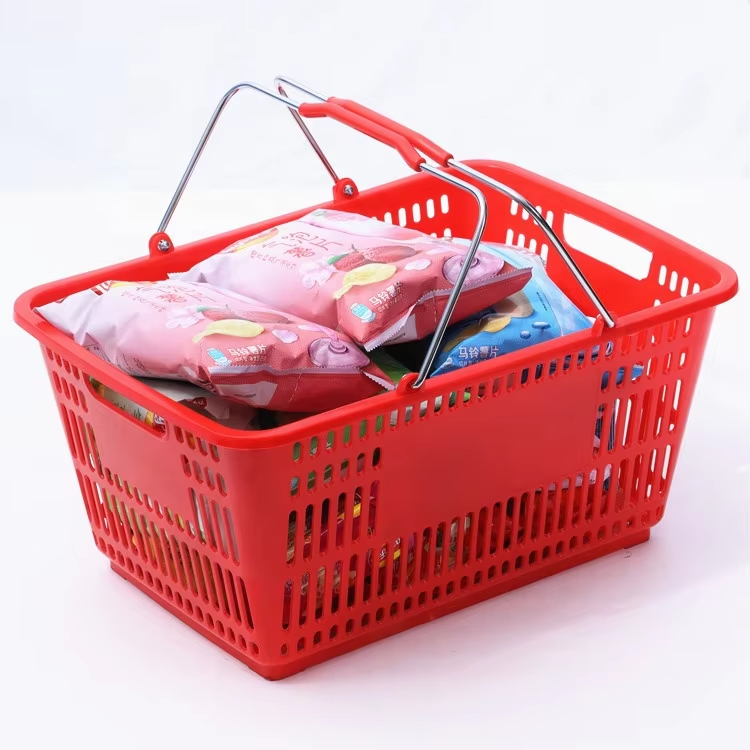
Modern retail environments demand efficient solutions that cater to the evolving needs of consumers, particularly those seeking quick and convenient shopping experiences. A shopping basket serves as an essential tool that significantly enhances the convenience factor for shoppers who prioritize speed and efficiency during their retail visits. These portable containers transform the shopping experience by providing customers with a lightweight, maneuverable solution that streamlines product collection and reduces physical strain during brief store visits.
The fundamental advantage of utilizing a shopping basket lies in its ability to accommodate the specific behavioral patterns of quick-purchase shoppers who typically enter retail establishments with predetermined shopping lists and time constraints. Unlike traditional shopping carts that may feel excessive for smaller purchases, a shopping basket provides the perfect middle ground between carrying items by hand and using oversized wheeled alternatives. This balance becomes particularly important in urban retail settings where customers frequently make multiple short visits throughout the week rather than single large shopping trips.
Design Features That Maximize Shopping Efficiency
Ergonomic Handle Construction
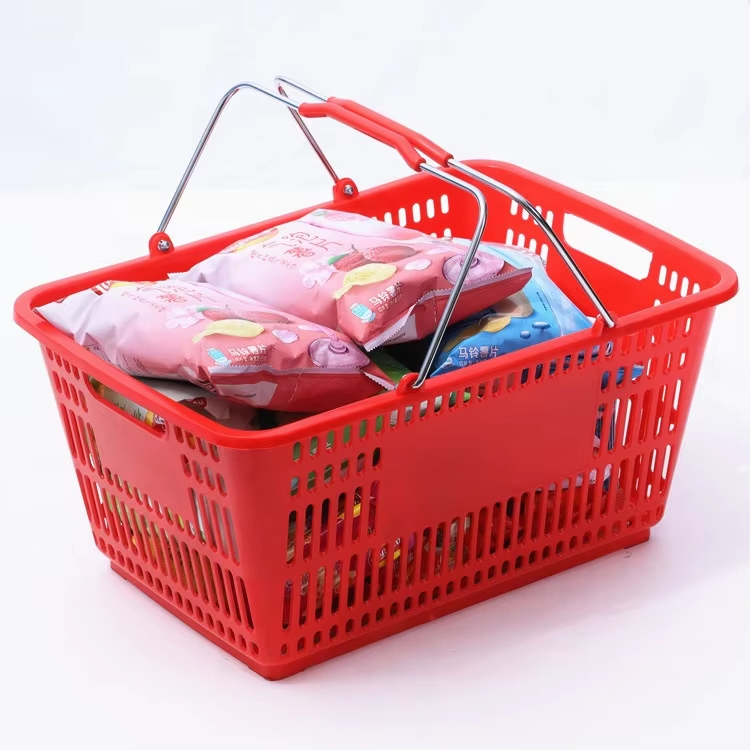
The handle design of a modern shopping basket plays a crucial role in determining user comfort and shopping efficiency. Quality handles feature ergonomic grips that distribute weight evenly across the palm, reducing hand fatigue during extended carrying periods. Some advanced shopping basket models incorporate dual-handle systems that allow users to carry the container with both hands when fully loaded, providing better weight distribution and reducing the risk of strain injuries.
Professional-grade handles often include non-slip surfaces that maintain grip security even when hands are wet or when carrying heavier loads. The handle positioning is strategically designed to keep the shopping basket balanced during transport, preventing items from shifting or falling during movement through store aisles. These ergonomic considerations directly impact the overall convenience factor by ensuring that shoppers can navigate retail environments comfortably and efficiently.
Optimal Size and Capacity Balance
The dimensions of a shopping basket are carefully engineered to accommodate typical quick-purchase shopping patterns while maintaining portability. Standard shopping basket capacities range from 20 to 65 liters, providing sufficient space for essential items without becoming cumbersome to carry. The depth and width ratios are optimized to prevent items from falling out while allowing easy access to products at the bottom of the container.
Strategic sizing ensures that a shopping basket can hold common quick-purchase items such as groceries, pharmacy products, or convenience store merchandise without requiring multiple trips to complete the shopping task. The container's footprint is designed to fit comfortably through standard aisle widths while providing enough internal space to organize purchases logically, making checkout processes faster and more efficient.
Mobility Enhancement Features
Integrated Wheel Systems
Advanced shopping basket designs incorporate wheel systems that dramatically reduce the physical effort required to transport purchases throughout retail environments. These wheeled variants eliminate the need to carry heavy loads while maintaining the compact footprint that makes a shopping basket ideal for quick shopping trips. The wheel mechanisms are typically designed to be smooth-rolling and quiet, ensuring they do not disrupt other shoppers or create noise pollution in retail environments.
Quality wheel systems feature 360-degree rotation capabilities that allow shoppers to maneuver easily around tight corners and through crowded aisles. The wheels are positioned to maintain container stability while preventing tipping, even when loaded with irregularly shaped items. Some premium models include locking mechanisms that secure the wheels during stationary periods, preventing unwanted movement during product selection or checkout processes.
Lightweight Construction Materials
Modern shopping basket manufacturing utilizes advanced polymer materials that provide exceptional strength-to-weight ratios, ensuring durability without compromising portability. These materials resist cracking, fading, and deformation under normal use conditions while remaining lightweight enough for comfortable manual transport. The chemical resistance of quality plastics ensures that shopping basket surfaces can be easily cleaned and sanitized, maintaining hygiene standards in retail environments.
The material selection process considers factors such as impact resistance, temperature stability, and long-term durability to ensure that each shopping basket maintains its functionality throughout extended use cycles. Advanced manufacturing techniques create seamless construction that eliminates weak points where stress fractures might develop, providing retailers with reliable equipment that serves customers consistently over time.
Convenience Factors for Different Shopping Scenarios
Express Shopping Applications
Express shopping scenarios, where customers need to acquire specific items quickly, benefit significantly from the streamlined design of a shopping basket. These situations often occur during lunch breaks, after-work stops, or emergency purchases where time efficiency is paramount. A shopping basket allows customers to gather multiple items simultaneously while maintaining mobility and organization throughout the store visit.
The convenience factor becomes particularly apparent when comparing shopping basket use to alternative carrying methods such as handheld carrying or using full-size shopping carts. Hand-carrying items limits the quantity that can be transported and increases the risk of drops or spills, while full-size carts may be excessive for small purchases and can slow navigation through crowded retail spaces. A shopping basket strikes the optimal balance for express shopping needs.
Specialty Retail Environments
Specialty retail environments such as pharmacies, bookstores, hardware stores, and convenience markets particularly benefit from shopping basket implementation due to the typical purchasing patterns in these establishments. Customers in these environments often purchase multiple small to medium-sized items that are difficult to carry efficiently without proper containment. A shopping basket provides the organization and transport capacity needed for these specialized shopping situations.
The compact size of a shopping basket makes it ideal for navigating narrower aisles common in specialty retail formats while providing sufficient capacity for typical purchase volumes. This combination of maneuverability and functionality enhances the overall shopping experience by reducing physical strain and improving organization during the product selection process.
Impact on Retail Operations and Customer Satisfaction
Checkout Process Optimization
The implementation of shopping basket systems significantly streamlines checkout processes by providing organized product presentation and easy access for both customers and cashiers. Items contained within a shopping basket are typically more organized than those carried individually, reducing the time required for product scanning and payment processing. The elevated position of products within the container eliminates the need for customers to bend or reach extensively during unloading.
Cashiers benefit from the predictable presentation format that shopping basket use provides, allowing for more efficient scanning patterns and reduced repetitive motion injuries associated with handling awkwardly carried merchandise. The standardized size and shape of shopping basket containers also facilitate easier storage and organization in checkout areas, improving overall operational efficiency.
Customer Loyalty and Satisfaction Metrics
Retailers who provide quality shopping basket options often experience improved customer satisfaction scores related to shopping convenience and overall store experience. The availability of appropriate shopping tools demonstrates retailer consideration for customer needs and can influence shopping frequency and purchase volume decisions. Customers who have positive experiences with shopping basket convenience are more likely to return for future purchases and recommend the establishment to others.
The convenience factor provided by shopping basket availability becomes particularly important in competitive retail markets where customer experience differentiation can influence store selection decisions. Retailers who invest in quality shopping basket systems often see measurable improvements in customer retention rates and average transaction values as shoppers feel more comfortable making multiple-item purchases.
Maintenance and Hygiene Considerations
Cleaning and Sanitization Protocols
Effective shopping basket maintenance requires systematic cleaning and sanitization protocols that ensure customer health and safety while preserving equipment functionality. Modern shopping basket materials are specifically chosen for their compatibility with commercial cleaning agents and sanitization procedures. The smooth surfaces and seamless construction of quality shopping basket designs facilitate thorough cleaning while preventing the accumulation of debris or contaminants in hard-to-reach areas.
Regular sanitization schedules help maintain customer confidence in shopping basket hygiene while extending equipment lifespan through proper maintenance practices. Many retailers implement visible cleaning stations where customers can sanitize shopping basket handles and surfaces before use, providing additional reassurance and demonstrating commitment to customer health and safety.
Durability and Replacement Scheduling
Strategic shopping basket replacement scheduling ensures that customers always have access to fully functional equipment while maximizing the return on investment for retail establishments. Quality shopping basket construction typically provides several years of reliable service under normal use conditions, making them cost-effective investments for retail operations of all sizes.
Monitoring shopping basket condition through regular inspections helps identify units that require repair or replacement before they impact customer experience. Proactive maintenance approaches prevent service disruptions and ensure that the convenience benefits of shopping basket availability remain consistent for all customers.
FAQ
What is the typical capacity range for retail shopping baskets
Most retail shopping basket models offer capacities ranging from 20 to 65 liters, with the most popular sizes falling between 28 and 42 liters. This range accommodates typical quick-purchase shopping patterns while remaining manageable for manual transport. Larger capacity shopping basket options are available for retailers who serve customers with higher average purchase volumes or specific product categories that require additional space.
How do wheeled shopping baskets compare to traditional hand-carried versions
Wheeled shopping basket designs provide significant ergonomic advantages by eliminating the need to carry heavy loads while maintaining the compact footprint and maneuverability that make shopping baskets ideal for quick shopping trips. While wheeled versions may have slightly higher initial costs, they often result in improved customer satisfaction and reduced physical strain, particularly for elderly or mobility-impaired shoppers. The choice between wheeled and traditional shopping basket styles often depends on specific store layouts and customer demographics.
What materials are recommended for commercial shopping basket applications
High-density polyethylene and polypropylene are the most commonly recommended materials for commercial shopping basket construction due to their excellent strength-to-weight ratios, chemical resistance, and durability characteristics. These materials resist cracking under normal use conditions while remaining lightweight enough for comfortable transport. Quality plastic formulations also provide UV resistance and color stability, maintaining professional appearance throughout extended service lives.
How often should retail shopping baskets be replaced or refurbished
With proper maintenance, quality shopping basket equipment typically provides 3 to 5 years of reliable service in moderate to high-traffic retail environments. Replacement timing depends on factors such as usage volume, maintenance quality, and specific operational conditions. Regular inspection schedules help identify shopping basket units that require attention before they impact customer experience, allowing retailers to plan replacement investments strategically while maintaining consistent service quality.