European Standard Pallet Guide

All Categories

european standard pallet

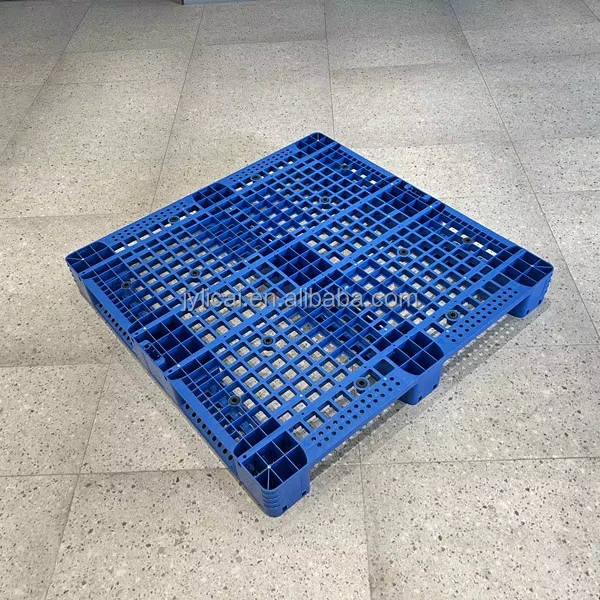
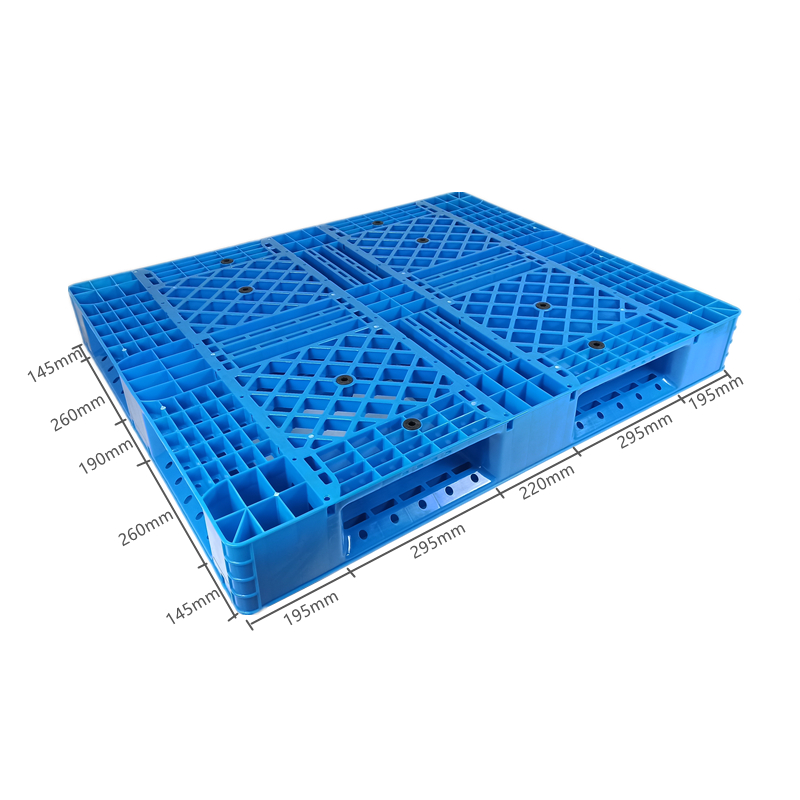
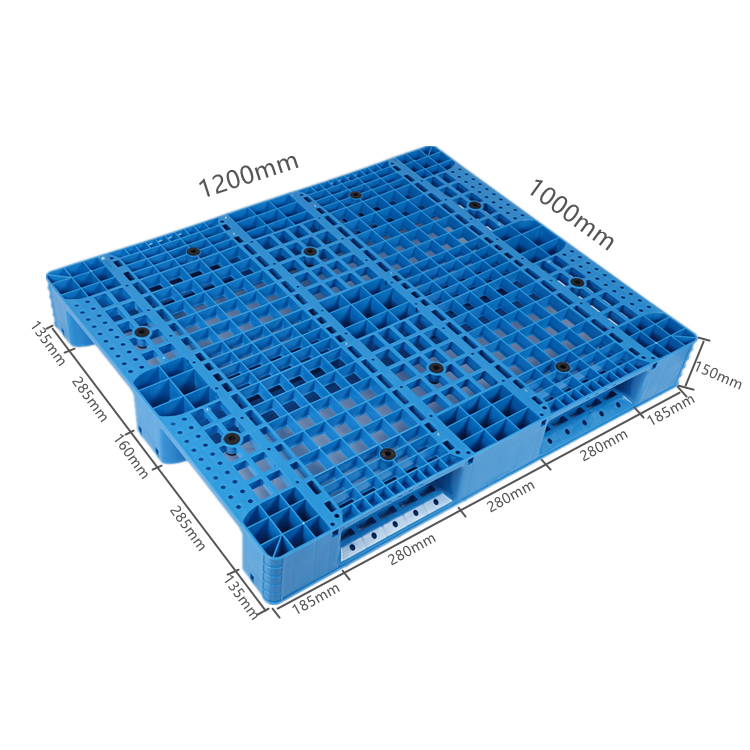
The European standard pallet represents a crucial component of modern logistics and supply chain management across Europe. Also known as EUR pallet, the European standard pallet measures 1200 by 800 millimeters, making it the most widely recognized and utilized pallet size throughout the continent. This standardized dimension ensures seamless compatibility with warehousing systems, transportation vehicles, and material handling equipment across different countries and industries. The European standard pallet features four-way entry design, allowing forklifts to access it from all sides for efficient loading and unloading operations. Its construction typically uses hardwood materials, specifically pine or oak, providing durability and strength to support substantial loads. The pallet's design incorporates nine blocks arranged in a specific pattern, which distributes weight evenly and prevents sagging or structural failure under pressure. Technologically, the European standard pallet integrates well with modern warehouse management systems and automated handling equipment. Many versions now include RFID tracking capabilities, enabling real-time monitoring throughout the supply chain. The standardized European standard pallet design reduces complexity in logistics operations, minimizing errors and improving operational efficiency. Applications span numerous industries including food and beverage, pharmaceuticals, automotive, retail, and manufacturing. The European standard pallet serves as the backbone for Euro-pooling systems, where pallets circulate through a closed-loop network, reducing waste and environmental impact. Its universal acceptance makes it indispensable for companies operating across European markets.

New Product Recommendations

The European standard pallet delivers exceptional value to businesses seeking efficient logistics solutions. Its standardized dimensions eliminate compatibility issues, allowing seamless integration across multiple supply chains and warehouse systems. Companies benefit from reduced handling costs because equipment designed for the European standard pallet works uniformly across all operations, removing the need for specialized adapters or modifications. Operational efficiency improves significantly when utilizing the European standard pallet. Warehouse staff can quickly load and unload goods without confusion, as training requires familiarity with just one pallet size. This consistency accelerates turnaround times and reduces labor expenses substantially. The four-way entry capability means forklifts access the European standard pallet from any direction, maximizing warehouse space utilization and streamlining movement patterns. Cost savings extend beyond immediate operations. The European standard pallet enables participation in established pooling networks, where businesses rent pallets instead of purchasing them outright. This reduces capital expenditure and eliminates storage burdens for empty pallets. Companies avoid replacement costs from damaged or lost pallets through shared responsibility systems. The environmental advantage proves compelling for sustainability-focused organizations. The European standard pallet circulates continuously through closed-loop systems, dramatically reducing waste compared to single-use alternatives. Standardization decreases manufacturing needs and transportation emissions associated with pallet distribution. Decision-useful context includes the European standard pallet's widespread infrastructure. Nearly every logistics provider, warehouse facility, and distribution center across Europe supports this format. This universal compatibility ensures your business maintains flexibility when partnering with suppliers, customers, and service providers throughout European markets, reducing vendor lock-in risks.

Tips And Tricks

Can plastic crate improve product protection in agricultural and industrial transport systems?

26

May

Can plastic crate improve product protection in agricultural and industrial transport systems?

When goods move through agricultural supply chains or industrial logistics networks, the container holding them is far more than a simple vessel. A plastic crate has become one of the most widely adopted solutions for protecting products during trans...
View More
Is a folding crate suitable for retail and industrial supply chains?

24

Jul

Is a folding crate suitable for retail and industrial supply chains?

A folding crate represents a transformative storage and transportation solution for modern supply chains. Whether managing inventory in retail environments or coordinating complex industrial logistics networks, the question of suitability deserves ca...
View More
How does epoxy powder enhance corrosion resistance in industrial coatings?

18

Mar

How does epoxy powder enhance corrosion resistance in industrial coatings?

Industrial environments present some of the harshest conditions for protective coatings, where exposure to chemicals, moisture, temperature fluctuations, and mechanical stress can rapidly degrade traditional coating systems. Epoxy powder has emerged ...
View More
Can electrostatic coating powder support environmentally friendly finishing processes?

24

Jul

Can electrostatic coating powder support environmentally friendly finishing processes?

Electrostatic coating powder has emerged as a transformative solution for industries seeking to align production processes with environmental responsibility. As manufacturers face increasing pressure to reduce waste, emissions, and resource consumpti...
View More

Get a Free Quote

Our representative will contact you soon.
Email
Name
Company Name
Message
0/1000

european standard pallet

Universal Compatibility and Standardization

Universal Compatibility and Standardization

The European standard pallet's greatest strength lies in its universal acceptance across European logistics networks. This standardization eliminates the complexity and expense associated with managing multiple pallet types. Every warehouse, distribution center, and logistics partner across Europe recognizes and supports the European standard pallet, ensuring your goods move seamlessly through supply chains without delays. Equipment manufacturers design material handling systems specifically for this pallet format, guaranteeing equipment compatibility. The European standard pallet's 1200x800mm dimensions align with truck trailer interiors, shipping containers, and automated warehouse systems throughout the continent. This compatibility reduces operational friction and prevents costly delays from pallet incompatibility issues. Businesses can confidently ship products across borders knowing the European standard pallet will be accepted everywhere. Standardization also simplifies training, as warehouse staff requires knowledge of only one pallet configuration rather than multiple formats.
Cost Efficiency and Pooling Network Benefits

Cost Efficiency and Pooling Network Benefits

Adopting the European standard pallet unlocks significant financial advantages through participation in established pooling networks. Rather than purchasing and maintaining expensive pallet inventory, businesses rent pallets through these shared systems, dramatically reducing capital requirements. The European standard pallet's standardized design enables efficient pooling operations where pallets circulate continuously through closed-loop networks involving multiple companies. This shared responsibility model distributes costs across participants, making the European standard pallet economically attractive for businesses of all sizes. Pooling eliminates storage challenges and replacement expenses associated with damaged or missing pallets. Companies avoid the substantial investment in pallet tracking and maintenance systems. The European standard pallet's durability ensures long service life within pooling networks, maximizing return on rental investments. Financial models consistently demonstrate that the European standard pallet reduces total cost of ownership compared to single-use alternatives, particularly for companies managing significant shipment volumes.
Environmental Sustainability and Reduced Waste

Environmental Sustainability and Reduced Waste

The European standard pallet represents an environmentally responsible logistics choice through its closed-loop circulation system. Unlike disposable pallets requiring constant replacement, the European standard pallet recirculates indefinitely, dramatically reducing manufacturing waste and resource consumption. This continuous cycling minimizes the environmental footprint associated with pallet production, transportation, and disposal. The European standard pallet's standardization enables efficient logistics networks that consolidate shipments and optimize transportation routes, reducing carbon emissions significantly. Material selection emphasizes hardwood species sustainable forestry practices, ensuring environmental responsibility. Companies adopting the European standard pallet demonstrate genuine commitment to sustainability, appealing to environmentally conscious customers and partners. The reduction in pallet manufacturing needs translates directly into decreased energy consumption and raw material extraction. Pooling networks supporting the European standard pallet minimize empty truck movements, further reducing transportation emissions. Choosing the European standard pallet aligns business operations with environmental regulations increasingly prioritized across European markets.

Get a Free Quote

Our representative will contact you soon.
Email
Name
Company Name
Message
0/1000